Global logistics costs account for nearly 12% of global GDP, and businesses continue to feel the strain of rising transportation expenses, market uncertainty, and shifting consumer demands.
This makes supply chain optimization strategies more important than ever for organizations seeking to stay competitive.
At its core, supply chain optimization is about streamlining processes, reducing costs, improving efficiency, and building resilience against disruptions, such as pandemics or sudden demand surges.
In this blog, you’ll find practical strategies you can apply to strengthen your supply chain, improve performance, and create a system that can adapt quickly to changing conditions. Let’s get started quickly by giving it some significance.

The benefits of supply chain optimization
Supply chain optimization is not only wise but also necessary. Here are a few advantages to be aware of:
- Optimizing supply chains helps identify inefficiencies and eliminate waste, leading to reduced operating costs. For example, adopting just-in-time inventory practices can minimize storage costs and reduce capital tied up in stock.
- Customer satisfaction increases when products are delivered on time thanks to an efficient supply chain. Enhanced visibility and real-time tracking allow businesses to respond swiftly to changes in customer preferences and market trends.
- Supply chain optimization enhances a company’s ability to adapt to disruptions, such as geopolitical instability or natural disasters. By diversifying supplier bases and developing contingency plans, businesses can mitigate risks and maintain operations.
- Implementing sustainable practices within the supply chain, such as reducing waste and carbon footprints, not only benefits the environment but also meets the growing consumer demand for ethically produced goods.
Key Elements of an Optimized Supply Chain
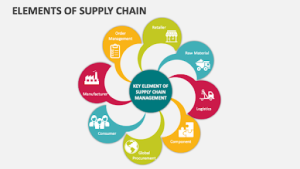
Here are some elements of an optimized supply chain that can be beneficial.
- Visibility: You can identify problems early and take quick action when you have clear, real-time insight into everything that’s happening throughout your chain, from inventory levels to shipment status.
- Collaborating effectively with suppliers, manufacturers, and logistics providers through open communication and common objectives improves coordination, cuts down on delays, and builds trust.
- Technology: Modern tools like AI, IoT, and predictive analytics bring automation, data-driven decision-making, and smarter demand forecasting to your operations.
- Flexibility: Your supply chain’s ability to swiftly adapt to changes in demand or disruptions by increasing production, identifying alternate routes, or changing suppliers is what gives it resilience.
Practical Supply Chain Optimization Strategies
- Use predictive analytics to forecast demand, spot risks early, and make faster decisions. For example, retailers analyze customer buying patterns to avoid stock shortages.
- Relying on one source is risky. Many companies now work with multiple suppliers across regions to keep operations running during disruptions.
- Tools like warehouse automation, IoT tracking, and blockchain make supply chains faster, transparent, and less error-prone.
- Balance stock levels with systems that monitor sales in real time. This reduces waste and keeps products available when needed.
- Shifting to greener packaging, electric delivery fleets, or efficient routes cuts costs and reduces environmental impact.
Common Challenges in Supply Chain Optimization
Even the best supply chain optimization strategies face obstacles that can slow progress. Below are some challenges you can learn and erupt from.
I. High costs of technology adoption
Advanced technologies or tools like AI and automation require heavy investment, which can be difficult for smaller businesses.
II. Resistance to change
Employees and partners may be reluctant to adopt new systems, creating delays in implementation.
III. Inadequate integration and data gaps
Decision-making slows down and loses accuracy when data is confined to disparate systems.
IV. Global disruptions
Events like pandemics, political instability, or natural disasters can break even the most well-planned supply chains.
Best Practices for Long-Term Success
The most successful supply chain optimization plans need to be based on sound, long-lasting practices. Here’s how to develop long-lasting resilience:
- Start Small and Scale: Implement pilot projects to test and refine supply chain optimization strategies before full-scale deployment.
- Align with Business Strategy: Ensure that supply chain goals support broader business objectives to create cohesive operations.
- Track KPIs: Monitor key performance indicators like on-time delivery and inventory turnover to assess and improve performance.
- Continuous Improvement: Promoting a culture of ongoing evaluation and enhancement to adapt to changing market conditions and maintain efficiency.
Conclusion
Supply chain optimization is a continuous process rather than a one-time event. Businesses can increase resilience, lower costs, and increase efficiency by putting into practice efficient supply chain optimization techniques.
It is possible to make gradual improvements without depleting resources by beginning with manageable projects, such as improving inventory management or implementing predictive analytics.
Over time, these incremental changes can lead to significant advancements in supply chain performance. Remember, the key is consistent evaluation and adaptation to meet evolving market demands and challenges.
Embrace the process, and your supply chain will evolve into a more agile and competitive asset for your business.
Frequently Asked Questions (FAQs)
What is the main goal of supply chain optimization?
To enhance efficiency, reduce costs, and ensure timely delivery of products.
How does technology improve supply chain optimization?
Through enabling predictive analytics, automating procedures, and supplying real-time data to improve decision-making.
What’s the difference between supply chain optimization and supply chain management?
While supply chain management is responsible for managing the entire supply chain process, optimization is concerned with enhancing performance and efficiency within that process.
Is supply chain optimization only for large businesses?
No, small and medium-sized enterprises (SMEs) can also benefit by implementing scalable tools and strategies.
How do companies measure supply chain optimization success?
Through the monitoring of key performance indicators (KPIs) like lead time, customer satisfaction, cost per shipment, and on-time delivery.