
Sustainability has become a major focus for businesses worldwide as they aim to balance growth with environmental care.
So, what is green supply chain management? It is a strategic approach that integrates eco-friendly practices across every stage of the supply chain—from sourcing materials to final delivery.
In this guide, we’ll provide you with a clear understanding of green supply chain management, its main objectives, benefits, and examples across industries. Let’s get started!

What Is Green Supply Chain Management?
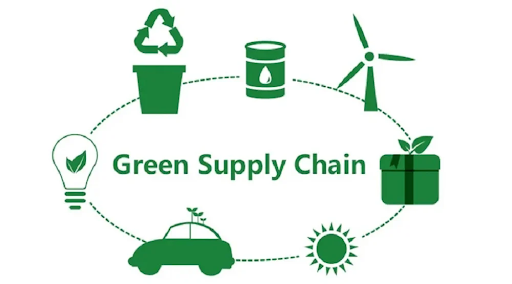
Integrating environmental sustainability into a product’s lifecycle from design to use to disposal is known as “green supply chain management.”
It provides an answer to the question of what green supply chain management is by demonstrating how businesses can choose sustainable sources for materials, reduce carbon emissions, manage waste effectively, and use renewable energy.
Reducing environmental damage, increasing operational efficiency, and conducting business responsibly are the objectives. In order to achieve green goals, suppliers, manufacturers, and distributors must work closely together.
Objectives of Green Supply Chain Management

Green supply chain management’s definition aims to achieve the following main objectives:
- Environmental Conservation: Lowering greenhouse gas emissions, reducing waste, and protecting natural resources.
- Resource Efficiency: Using materials, water, and energy more smartly so less is wasted.
- Regulatory Compliance: Following environmental laws and standards to avoid penalties and risks.
- Supplier Engagement: Working with suppliers who are also committed to green practices and sustainability.
- Risk Mitigation: Preparing for climate change effects, resource scarcity, or disruptions by having greener, more resilient supply chains.
- Cost Savings & Operational Efficiency: Reducing the number of wasted resources, lowering energy costs, and streamlining operations.
- Corporate Social Responsibility & Reputation: Building trust with customers, investors, and stakeholders by showing you care about both people and the planet.
Key Benefits of Green Supply Chain Management
Knowing what green supply chain management is helps businesses see real value beyond just being “green.” Some of its main benefits are
- Cost Savings & Efficiency: Cutting waste, optimizing transportation, and using less energy all result in lower expenses and better operations.
- Enhanced Brand Reputation: Customers and stakeholders favor companies with strong sustainability practices, helping with loyalty and trust.
- Regulatory Compliance & Risk Management: GSCM assists businesses in adhering to environmental regulations, avoiding penalties, and mitigating risks associated with resource scarcity or regulatory changes.
- Competitive Advantage & Innovation: Companies that adopt green supply chain practices often lead in innovation (in products, packaging, or logistics) and stand out in the market.
- Long-Term Sustainability & Resilience: Aside from immediate gains, GSCM builds resilience against environmental, social, and economic risks, making operations more sustainable over time.
Real-World Examples of Companies Using Green Supply Chain Management
Each of these examples demonstrates how various industries use the concepts of green supply chain management to lessen environmental harm while upholding corporate objectives, which aids in the explanation of what it is. Some actual businesses demonstrating green supply chain management in action are listed below:
- Etsy uses packaging made from 100% recycled or responsibly sourced paper and offsets all shipping emissions to support its net-zero goals.
- Johnson & Johnson embeds responsible sourcing and energy-efficient production across its product lines (healthcare, consumer goods).
- Costco has committed to 100% renewable energy in its global operations and works closely with suppliers to push sustainable practices.
- Netflix aims for carbon neutrality and runs more energy-efficient data centers to reduce its environmental footprint.
- 3M has pledged to cut value chain (Scope 3) emissions by over 40% by 2030, driving innovation in sustainable products and operations.
- Delta Airlines invests in fuel-efficient planes and explores sustainable aviation fuels to lower its carbon output.
- Mars, Incorporated reduced its supply chain emissions by 16.4% while growing revenue, thanks to ethical sourcing, water conservation, and supply chain redesign.
Green Supply Chain Management in Major Industries
Considering what green supply chain management means for particular industries helps make the concept a reality. Here are a few examples:
1. Automobile Industry
Car companies often use green procurement, green logistics, and eco-design. For instance, in the Indian automobile sector, green supply chain frameworks emphasize supplier relationships and environmental regulations to enforce emission-friendly manufacturing.
2. Construction Industry
Construction firms are implementing GSCM by reducing hazardous materials, managing on-site waste better, selecting sustainable building materials, and using eco-certification (like ISO 14001). These practices across design, construction, and materials sourcing improve environmental performance.
3. Manufacturing Industry
In manufacturing, what green supply chain management looks like is companies adopting green training, eco-design, and green distribution. In South Africa, manufacturers have shown that using these practices improves supply chain performance and lowers costs.
Developing a Green Supply Chain Strategy
Developing a strategy with defined steps is the first step towards comprehending green supply chain management in action.
First, sustainable sourcing entails working with suppliers who share your environmental objectives and are morally and environmentally conscious.
Next, concentrate on energy efficiency by moving to renewable energy sources and streamlining transportation to cut down on emissions and fuel consumption.
Applying the concepts of the circular economy to the reuse, recycling, or return of materials should come after waste reduction and recycling.
Logistics optimization also helps the environment by reducing empty trips, using greener modes of transportation, and planning routes. To assess a product’s environmental impact from production to disposal, a Life Cycle Assessment (LCA) is another essential step.
Implementing this strategy has several advantages, including increased operational and cost efficiency as energy, waste, and transportation costs decrease; regulatory compliance, which reduces legal risk; improved corporate image as partners and customers recognize your dedication; and improved risk mitigation and resilience to supply shocks or regulatory changes.
Summary
In conclusion, businesses hoping to expand without causing environmental damage must understand the idea of green supply chain management. Both ecological preservation and economic development gain from GSCM’s assistance in bringing them together.
Corporate accountability is increased, resilience is encouraged, and innovation is stimulated by GSCM implementation. Businesses such as Qodenext show how supply chain transparency can help achieve green goals, while 3M demonstrates a more profound change through aggressive emission reductions and sustainable sourcing.
Starting small is crucial: pick one green project, implement it, gain knowledge from it, and then grow toward greater sustainability.
Frequently Asked Questions (FAQs)
Why is green supply chain management important?
Green supply chain management helps companies lower environmental harm while staying competitive. It shows customers and regulators you care about sustainability and helps future-proof your operations.
How can a company start integrating GSCM?
Begin by assessing your current supply chain, set clear green goals, and then introduce practices like sustainable sourcing, energy efficiency, waste reduction, and better logistics.
Which industries benefit most from GSCM?
Industries with high environmental impact, like manufacturing, construction, and automobiles, can gain the most by applying GSCM principles.
What challenges do companies face when implementing GSCM?
Common hurdles include the upfront cost, lack of awareness, resistance to change, and the need to coordinate many partners in the chain.
Are there laws requiring GSCM?
In many places, yes. Environmental regulations force companies to manage emissions, waste, and sourcing practices, making GSCM a necessary compliance strategy.


