Technology is now at the heart of how goods are stored, tracked, and delivered.
From smart sensors that monitor cargo conditions to systems that map out the fastest delivery routes, transportation and logistics technology solutions are reshaping the way supply chains work.
In this article, we’ll take a closer look at both the advantages and the drawbacks of using transportation and logistics technology solutions, helping you understand what they can really offer and where the challenges lie.

Types of Transportation and Logistics Technology Solutions
Let’s break down the main types of solutions helping move goods more efficiently and explain how each plays a unique role:
1. Robotics and Automation
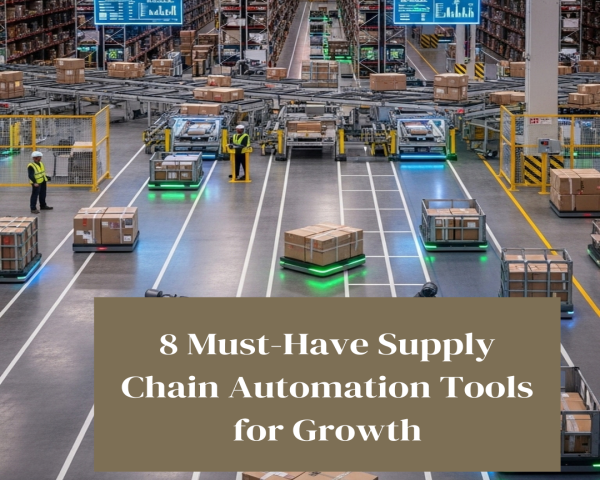
Think of factories and warehouses where robots pick, sort, and move items, often nonstop. These include systems such as conveyor belts, automated storage and retrieval tools, and robots that navigate spaces independently (known as AMRs and AGVs) to carry goods with precision and speed.
2. Artificial intelligence and machine learning
This tech is the brain behind smart decisions. It figures out the best routes, predicts when equipment might break down, and helps businesses plan demand so they don’t run out of stock or overcommit.
3. Internet of Things (IoT)
Assume every truck, container, or package is equipped with a tiny sensor. These sensors monitor real-time details such as location, temperature, humidity, or even safety status. It’s what enables real-time visibility and smarter decision-making.
4. Blockchain & Digital Ledgers
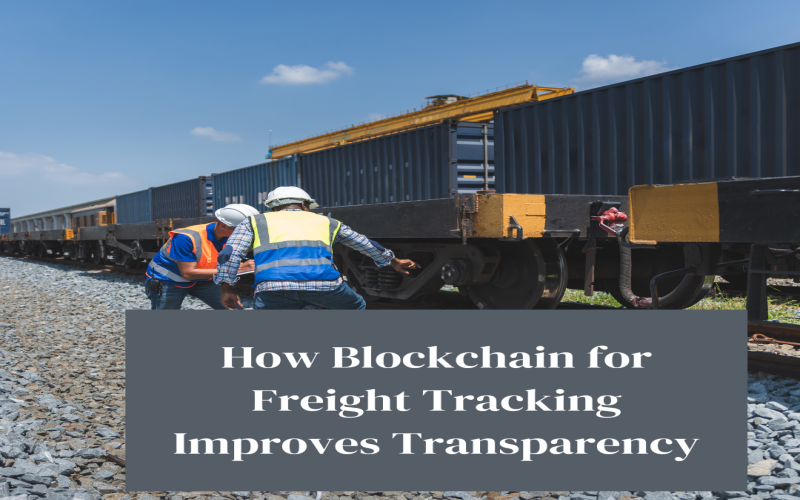
Imagine secure, unchangeable records for every step of a shipment—making it difficult to tamper with or lose data. Blockchain enhances trust, transparency, and speed in logistics processes.
5. Cloud & SaaS Platforms
With the help of these tools, teams can share a single operational view that includes inventory, routing, and warehouse status. Being cloud-based means they’re flexible, scalable, and cost-effective for businesses of any size.
6. Green Technology Solutions
Sustainability is more than a buzzword. Electric vehicles, hydrogen-powered trucks, and fuel-efficient transport systems are helping the logistics sector cut emissions, reduce costs, and support a greener planet.
Pros and Cons of Transportation and Logistics Technology Solutions

Pros
Let’s talk about what makes transportation and logistics technology solutions so valuable, and then we’ll keep it real by exploring the challenges, too.
1. Streamlined Efficiency & Cost Savings
Technology removes the guesswork and manual labor that can slow things down. Automation, AI, and tools like RFID or route optimization can speed up operations and save money.
In fact, digitized logistics can reduce processing time by up to 61% and cut costs by around 17%.
Real-time tracking and smart platforms also simplify workflows and reduce mistakes.
2. Real-Time Visibility & Better Decision-Making
The days of panicking about “Where’s my shipment?” are over. IoT sensors and cloud dashboards provide everyone, from operations teams to basic suppliers, with a bird’s-eye view of what’s going on and where.
This enables proactive decisions, fewer surprises, and timely deliveries. Logistics software also offers data-driven insights for smarter planning.
3. Smarter Routes & Greener Operations
Imagine trucks that rarely drive empty or engines that sip fuel. AI-powered platforms like Uber Freight slashed empty miles by 10–15%, helping fleets save money and cut emissions.
Combine that with electric vehicles and optimized loads, and you’ve got green logistics in action.
4. Safety & Risk Reduction
From driverless technology to predictive maintenance, transportation and logistics technology solutions boost safety.
Autonomous vehicles, for example, don’t drive distracted and can reduce accident risks.
Aurora’s trucks, outfitted with cameras and lidar, have logged over 3 million miles with no injuries reported, according to the company.
Similarly, AI can forecast vehicle breakdowns or delays before they happen.
Cons
1. Big Upfront Costs
New technology adoption is frequently costly. Organizations incur expenses for training, integration, hardware upgrades, and software. During the rollout, productivity may also be slowed.
2. Resistance from People & Legacy Systems
Advanced technology is not enough; getting employees to use it is a challenge. Many fear for their jobs, and outdated systems complicate integration.
Surveys show that many logistics firms still rely on spreadsheets and manual tools.
3. Cyber Risks & Technical Barriers
More data connectivity means more risk. IoT and cloud systems can be prone to cybersecurity threats if not secured properly.
Plus, technologies like blockchain demand high computing power and reliable bandwidth, which can be hard to scale universally.
4. Skills and Integration Gaps
Not every logistics company has digital-savvy staff. Gaps in analytics, integration, and managing complex systems can slow adoption—and raise costs.
Best Practices for Solution for Transportation and Logistics

Navigating the world of transportation and logistics technology solutions requires more than just picking shiny new tools—it’s about practical, grounded strategy.
A smart first step is defining clear goals and running pilot tests so you can tweak before full rollout. It’s equally important to involve your team early on, have transparent communication, and train them to win their trust and make adoption smoother.
Seamless system integration matters, meaning your new tech must connect with existing platforms, like ERPs or TMS, via APIs, so data flows.
Make data integrity and security non-negotiable; your insights are only as good as your quality inputs.
Finally, stay flexible and scalable. Cloud-based or modular systems adapt better to changing needs and regularly review performance for continuous improvement.
Future Trends in Transportation and Logistics Technology Solutions
The technological solutions of the future for logistics and transportation are all about smarter systems, greener practices, and autonomy, reshaping how we move goods.
Autonomous vehicles are one notable trend. Businesses are already utilizing self-driving trucks with sophisticated sensors, such as Aurora’s, to increase efficiency and safety, particularly in areas where driver shortages are an issue.
Warehouse robotics is also stepping up, with innovations like Boston Dynamics’ Stretch robots, which unload trailers nearly twice as fast as humans, helping tackle labor shortages and boost productivity.
Another transformative tool gaining traction is the digital twin, a real-time virtual replica of warehouses or supply chains that allows simulation, predictive maintenance, and smart decision-making.
Layer in 5G and IoT, and you get robust, connected networks fueling AI-powered logistics.
Final Thought
As we’ve seen, transportation and logistics solutions deliver real upside, helping businesses reduce delays, cut costs, improve visibility, and even shrink their environmental footprint.
Yet it’s just as clear that challenges, like the need for upfront investment, strong data governance, and thoughtful change management, are part of the journey.
At the end of the day, technology isn’t a stand-in for people; it’s a powerful tool to help teams do better work. When adopted strategically, with an eye on return on investment, long-term sustainability, and solid employee engagement, it becomes a strong ally in building smarter, more resilient, and future-ready logistics operations.
Don’t leap into tech for its own sake. Start with your goals, pilot thoughtfully, measure outcomes, and scale what works. That’s the winning strategy for meaningful transformation.
Frequently Asked Questions (FAQs)
How does a Transportation Management System (TMS) fit into this?
A TMS is a central software hub that plans, executes, and tracks shipments, handling everything from carrier selection to real-time tracking and freight auditing. It’s a cornerstone of modern logistics operations.
What’s the deal with real-time visibility and control towers?
Control tower platforms provide you with end-to-end supply chain visibility by combining real-time data from GPS, RFID, and TMS systems, often enhanced by AI. This enables you to identify disruptions early and take prompt action.
What are the benefits of autonomous vehicles and robotics in logistics?
Autonomous trucks and warehouse robots are making a reality of safer deliveries and labor efficiency. For instance, self-driving trucks are already reducing errors in the Permian Basin, and DHL is using robots to unload trailers much faster than humans.