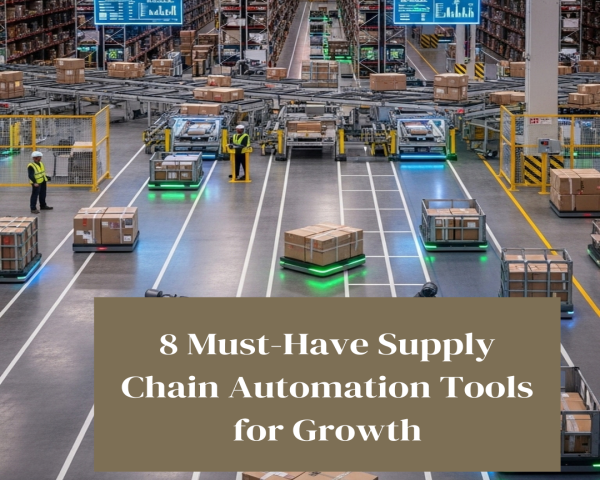
Imagine delivery trucks that can reduce emissions by half, packaging that never ends up in the trash, and warehouses that can run on their own electricity.
Climate change is forcing businesses to reassess their operations, customers are demanding greener delivery options, and the industry is changing as a result of stricter emissions regulations.
In this blog, we’ll explore how businesses can create a truly sustainable logistics network and thrive in the new era of supply chain management. Let’s get started!
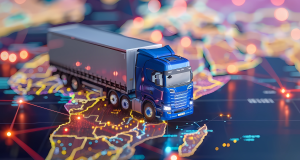
1. Green Fleet Transition
In any sustainable logistics network, heavy vehicles are one of the biggest sources of emissions. Globally, road transport makes up around 12% of greenhouse gas emissions, and heavy-duty trucks are a major contributor.
Companies like Amazon are ramping up their green logistics and supply chain networks by placing the UK’s largest-ever order of electric heavy goods vehicles, over 140 Mercedes-Benz and eight Volvo e-trucks, backed by government incentives.
The rollout also includes fast-charging infrastructure to reduce carbon emissions across its delivery operations. Here are a few logistics strategies for businesses and organisations to implement a green fleet transition.
- Rather than replacing your entire fleet overnight, start by swapping out older diesel trucks for electric or hybrid models over time. This helps you stay operational while moving toward greener options.
- Consider hydrogen-powered vehicles or biofuels in addition to EVs and hybrids when practical; these options are beneficial in areas where charging infrastructure is still developing.
- Develop scalable charging solutions and make prudent investments in charging infrastructure. Start with depot charging, then move on to fast-charging stations along key routes. Increased use of chargers can drastically reduce infrastructure costs per vehicle.
Benefits of Green fleet transition in building sustainable logistics
- Lower carbon footprint: Electric trucks are up to 70% more energy-efficient than diesel counterparts, potentially reducing overall emissions by half or more as grid energy becomes cleaner.
- Cost savings over time: Electric vehicles (EVs) can cut fuel and maintenance expenses substantially. Maintenance costs are typically 40–60% lower than diesel, and the total cost of ownership often becomes more favorable within a few years.
- Regulatory readiness. As regions tighten emissions standards, electric fleets help safeguard compliance and reduce the risk of future penalties, making your logistics network not just green but future-proof.
2. Smart Warehousing with Renewable Energy
Warehouses are energy guzzlers. In fact, the global industry accounts for about 1.5% of worldwide greenhouse gas emissions, and a substantial chunk of that energy goes into lighting, heating, cooling, and running daily operations.
To build a truly sustainable logistics management, turning warehouses into smart, energy-efficient hubs, partially or fully powered by renewables, is a strategic move.
Below is how the smart warehousing works.
- Many companies are retrofitting rooftops with solar panels and, where conditions allow, integrating wind turbines or hybrid setups. This not only cuts reliance on the grid but also lowers carbon emissions significantly.
- Add AI-powered energy management systems (EMS) that track usage in real time, flag anomalies, and regulate heating, cooling, and lighting systems, responding instantly to real conditions.
- Using automated inventory and lighting controls, like motion sensors and daylight harvesting, can slash energy waste by ensuring systems operate only when and where needed.
Reasons for Smart Warehousing
- Lower energy bills: Solar installations can cut electricity costs by up to 30%, while smart HVAC and lighting controls add even more savings.
- Better ESG credentials: Intelligent, renewable energy-powered warehouses complement carbon-neutral objectives and say a lot about a company’s environmental commitment.
- Enhanced operational insights: Real-time data from EMS helps warehouse managers make informed, efficient decisions and show progress toward sustainability targets.
- Real-world example: U&I Logistics installed a nearly 2 MWp rooftop solar plant on a bonded warehouse in Vietnam. This plant now powers humidity control systems, reduces grid usage, and lowers energy costs, saving 10% on electricity costs and nearly 2,000 tons of carbon dioxide annually.
3. Route Optimisation with AI & IoT
Modern logistics fleets often waste fuel and money because of poor planning, traffic jams, and unnecessary idling. For any sustainable supply chain or logistics network, AI and IoT-driven route optimisation offer a smart solution. These are ways it works.
- With IoT sensors on trucks feeding real-time data on speed, location, and fuel use into AI algorithms, logistics managers can dynamically reroute deliveries based on traffic flow, road conditions, and even weather.
- These systems not only cut down travel distances and wait times but also reduce emissions from wasted idling or inefficient routes.
- One large distribution center implemented intelligent lighting and HVAC systems powered by automated controls and real-time data. The result? A 20% drop in energy consumption within six months.
- Another smart warehouse saw energy costs fall by up to 40%, thanks to AI-driven energy management that adapts lighting, heating, and machinery operation on the fly.
Without sacrificing dependability or speed, logistics teams can reduce fuel consumption or use alternative fuel, improve delivery on-time performance, and reduce their carbon footprint by integrating AI with IoT.
4. Circular Packaging & Reverse Logistics

Think about how your sustainable logistics network could turn waste into opportunity by allowing each box or bag to be reused or returned, rather than treating packaging as disposable. Reusable packaging and effective reverse logistics are smart, practical steps that any forward-thinking business can take to create a logistics network that is truly sustainable development.
Several companies are leading the way:
- Amazon’s Frustration-Free Packaging has eliminated over a million tons of packaging material since its launch, streamlining design for efficiency and waste reduction.
- Zalando’s reusable shipping bags, trialled in Sweden and Finland, achieved an impressive 85% return rate, drastically cutting single-use waste.
- Loop’s circular delivery model allows customers to receive products in reusable containers, which are then collected, cleaned, and refilled—pioneering a true closed-loop system.
Why It Matters
- Reduces packaging waste: Reusable systems significantly lessen the environmental burden of single-use materials.
- Boosts brand reputation: Customers increasingly gravitate toward businesses committed to green solutions.
- Supports the objectives of the circular economy: Businesses create robust, environmentally friendly supply chains by incorporating reuse into logistics operations.
5. Collaborative Logistics Platforms
Imagine a logistics industry where companies share routes, trucks, and warehouses, reducing expenses and emissions in the process. Welcome to collaborative logistics, a potent tactic at the core of any contemporary, environmentally friendly logistics system.
When companies pool their assets, like combining shipments or sharing warehouse space, they reduce empty miles and make every trip count. This results in lower fuel use, smaller carbon footprints, and a leaner network overall.
These shared models also minimise infrastructure waste. Businesses can turn idle capacity into productive use by banding together and avoiding costly investments in underutilised trucks or facilities.
Through improved load consolidation and more intelligent planning, collaborative logistics can lower shipping costs by up to 30%, cut CO₂ emissions by 20–30%, and increase delivery reliability.
Real-World Example: The European Freight Alliance, with over 200 members, reports a 22% reduction in empty driving and a 17% drop in CO₂ emissions, thanks to shared cross-border routes and customs hubs.
The Significance of It
- Eco-friendly operations: Fewer empty trips, better load utilisation, and shared resources all shrink your environmental footprint.
- Cost efficiency: Shared systems help spread infrastructure and fuel costs, especially benefiting smaller businesses.
- Agility and resilience: Networks built on collaboration can flex faster to shifts in demand, disruptions, or regulatory needs.
Frequently Asked Questions (FAQs)
What is the most cost-effective step to start building a sustainable logistics network in 2025?
Begin with AI-driven route optimisation, which requires less upfront investment than fleet replacement and quickly reduces fuel costs.
How do small logistics companies compete with larger firms in sustainability?
By joining collaborative logistics platforms, sharing warehouse and transport resources, and adopting scalable digital tools.
Is switching to electric trucks realistic in 2025?
Yes. With government incentives, falling EV prices, and improved charging infrastructure, adoption is now practical for many logistics firms.
How can companies track progress toward sustainability goals?
By integrating carbon accounting software and reporting regularly under ESG standards.
What role does packaging play in sustainable logistics?
Packaging is one of the most visible sustainability indicators. Using reusable or biodegradable materials reduces waste and builds customer trust.
Final Thought
Building a sustainable logistics network in 2025 means embracing smart innovation, collaboration across sectors, and forward-looking investments.
Businesses can save money, comply with regulations, and improve their brand recognition in addition to the environmental advantages of implementing green fleets, renewable-powered warehouses, AI-driven routing, reusable packaging, and shared logistics platforms.
These five use cases form a clear roadmap for transforming supply chains—making them greener, more efficient, and resilient to future challenges.
Ready to lead? Organisations that act now stand to boost their competitive edge, capture customer trust, and future-proof their operations in a world that rewards sustainable choices.