What if I told you that, in a matter of months, implementing new technology in the logistics sector could reduce your expenses by at least 40%?
Cost efficiency is more important than ever in a world of complex global supply chains, demanding consumers, and rising fuel prices, as waste, delays, and human error quickly accumulate.
In this article, we’ll examine 12 proven ways new technology in the logistics industry helps firms save money while boosting speed, accuracy, and customer satisfaction. Let’s dive in!

1. Automation in Warehousing
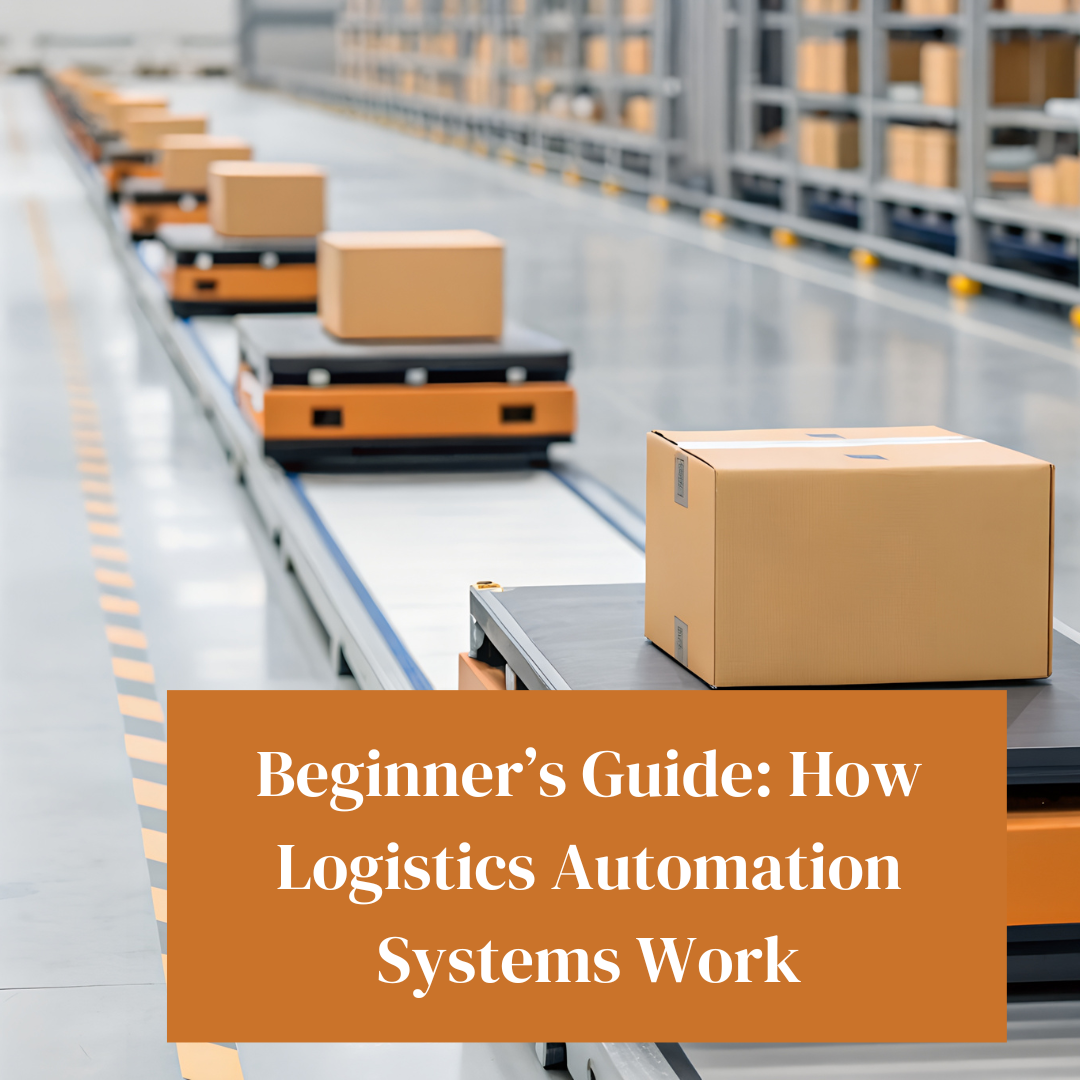
Robots, conveyors, and sorting systems are used in warehouse automation to replace repetitive tasks. This reduces human error, incorrect selections, misplaced items, and labor costs.
Robotic fleets are used by companies such as Amazon to move inventory, expedite order processing, and lower fulfillment costs by about 20–25% during peak hours.
Systems such as AutoStore employ robots to retrieve items and tightly stack bins in grids. This saves space, reduces overhead, improves worker ergonomics, and boosts throughput without big expansions.
2. AI-Powered Route Optimization

AI in logistics studies traffic, weather, vehicle load, and delivery schedules to map the best possible routes. It spots congestion, suggests alternate paths, and avoids wasted mileage.
When you use new technology in the logistics industry, route-optimization tools, fuel use drops, and deliveries reach customers faster. For example, UPS’s ORION system saves about 100 million miles driven and 10 million gallons of fuel per year by cutting down on unnecessary driving.
3. Cloud-Based Supply Chain Management
Cloud-based supply chain tools let companies run systems without needing big servers or expensive hardware. Adopting new technology in the logistics sector, such as cloud supply chain management, allows you to avoid significant upfront costs and only pay for what you use, frequently through subscriptions.
You get real-time visibility into inventory, suppliers, and shipments, which helps spot inefficiencies early. In many cases, cloud-based SCM reduces infrastructure and maintenance expenses by 30-60% compared to on-premise systems.
4. Predictive Maintenance Using IoT
When discussing new technology in logistics, predictive maintenance driven by IoT sensors stands out as a major cost-saving tool. These sensors monitor vehicle or machine health in real time, tracking factors like temperature, vibrations, and fluid levels.
AI processes this data to identify potential issues early, preventing major problems. The benefits include fewer breakdowns, reduced repair costs, and significantly less downtime.
For instance, logistics fleets employing this technology often see about a 30% reduction in unexpected breakdowns, resulting in similar savings on maintenance expenses.
5. Blockchain for Transparent Transactions

With new technology in the logistics industry like blockchain, companies make their transactions more transparent and cut hidden costs. Paperwork, slow approvals, fraud, and disputes shrink when you use digital ledgers and smart contracts.
One example is Maersk & IBM’s TradeLens platform, which uses blockchain to reduce paperwork and speed up shipping documentation by about 20-40%.
Another case: Walmart traces food supply down to its source in seconds instead of days, cutting waste, improving safety, and saving lots of money.
6. Digital Twins for Process Optimization
Digital twins are virtual copies of physical logistics systems—warehouses, transportation networks, fulfillment centers—fed by real-time data to simulate operations, spot problems, and test changes without real-world risks.
Companies in the logistics industry can use new technology to simulate how layout changes, inventory flows, and worker paths will perform before implementing them.
DHL cut order processing times by about 15%, order accuracy improved by 20%, and operational costs dropped by ~10% by applying digital twins to warehouse and fulfillment center operations.
7. Drones and Autonomous Vehicles
Drones and self-driving cars are examples of new technology being used in the logistics sector that is revolutionizing the last mile and long-distance transportation of goods. Drones can fly straight to far-off places, eliminating traffic and saving money on labor and fuel.
Delivery robots or autonomous trucks can work longer hours, require fewer drivers, and travel more efficiently on routes to save money and time.
For instance, when demand is low, depot-based drone delivery can reduce operating costs by as much as 60% when compared to truck-only delivery.
8. Data Analytics for Demand Forecasting
When logistics companies use new technology in the logistics industry, like data analytics and AI, they can predict what customers will need before they need it. By analyzing past sales, seasonality, market trends, and even external factors like weather or social media, firms can avoid overstocking or running out of stock.
For example, many logistics providers report that improved demand forecasting leads to lower inventory holding costs (in some cases reduced by 20-30%) and smoother operations with fewer stockouts.
9. Smart Packaging & Tracking
Smart packaging uses things like RFID/NFC tags, QR codes, and sensors embedded in packaging to track goods in real time, not just where they are, but also their conditions too (temperature, humidity, jolts).
When you use new technology in the logistics industry like this, you avoid costly mistakes: spoiled items, lost packages, and wrong deliveries.
For example, sensors in smart packaging help firms spot damage early, reduce waste, and cut inventory errors. Also, real-time tracking means fewer customer complaints and lower costs from replacements or refunds.
10. Energy-Efficient Transportation Technologies
By applying new technology in logistics industry, like electric vehicles (EVs), hybrid trucks, or even hydrogen fuel cell vehicles, companies can drop fuel costs substantially and reduce maintenance needs. For instance, because EVs have fewer moving parts, they require less maintenance and have fewer breakdowns.
Smarter fleet management tools and vehicle telematics also guarantee that cars are driving efficiently, avoiding excessive idling, speeding, and bad routing. Over time, these actions help businesses reduce their overall transportation costs by at least 15% to 20%.
11. Collaborative Platforms & Shared Logistics
Businesses can share vehicles, warehouse space, delivery networks, and even data when they use new technologies in the logistics sector, such as collaborative logistics or shared platforms. This results in less capacity being wasted, fewer empty runs (trucks operating without cargo), and lower storage or transportation costs.
Platforms that match the loads of several shippers, for instance, can lower transportation costs and boost vehicle utilization. Joint warehousing allows smaller firms to avoid building big storage facilities, instead paying only for what they use.
According to studies, such collaboration can lead to cost savings of around 20% as well as reductions in fuel use and carbon emissions.
12. Integrating AI and Human Expertise
Even with new technology in logistics industry, relying solely on machines doesn’t always cut it. When AI handles data crunching, pattern spotting, and suggestions, but real people oversee decisions, you get smarter results.
AI can point out unusual patterns, optimize routes, or predict demand, while human expertise adds context, ensures ethical choices, and handles surprises. The mix leads to fewer errors, better adoption of tools, and real cost savings, around 15-25% in combined operations when firms properly balance tech and human input.
Conclusion
Across warehousing automation, AI-driven route optimization, predictive maintenance, smart packaging, shared platforms, and more, new technology in logistics industry is helping businesses cut costs by reducing labor, fuel, errors, and downtime, speeding up fulfillment, and making inventory and transport more efficient.
Businesses that implement these innovations will be more resilient, competitive, and better equipped to handle disruptions, whether they be labor shortages, traffic jams, or spikes in fuel prices, as supply chains become more intricate and customer expectations continue to rise.
Don’t try to adopt everything at once. Start small; pick one or two of these technologies that match your biggest pain points. Pilot them, measure savings, then scale.
That’s how firms can begin trimming costs immediately and build momentum for larger transformations.
Frequently Asked Questions (FAQs)
Which logistics technologies provide the fastest ROI?
Route optimization tools, smart tracking (IoT/RFID), and warehouse automation typically give the quickest returns. They address high costs like fuel waste, labor, and errors, so savings appear within months.
How can small logistics firms afford digital transformation?
Start with affordable tools: cloud-based systems or pay-as-you-go SaaS. Focus on one pain point. Also, use shared platforms or partnerships to split costs.
Are automation and AI replacing logistics jobs completely?
No. AI and automation change some tasks, but many roles remain—especially ones needing judgment, planning, or human interaction. New tech often creates new jobs too, not just removes them.