Did you know automation can speed up logistics operations by nearly 50%? That’s like turning days of work into just hours. Automation and digital tools are revolutionizing the logistics sector by increasing speed, efficiency, and competitiveness.
In this article, we’ll explore seven key logistics technology trends driving automation in recent times. Not wasting much time. Let’s dive in!

1. Artificial Intelligence: The Brain Behind Smart Logistics
Artificial intelligence (AI) is one of the most powerful drivers in our modern-day logistics technology trends. AI is a practical tool that boosts output, reduces costs, and advances logistics technology for a faster, more intelligent future.
It enables companies to move from reactive operations to proactive, data-driven decision-making. Below are ways AI is improving logistics firms.
- Predictive Analytics Revolution: AI forecasts demand and optimizes delivery routes using massive amounts of data. This means trucks spend less time on the road, inventory stays lean, and customers get their orders on time.
- Real-time pattern recognition through machine learning applications enables logistics firms to promptly adapt to supply chain management interruptions, weather variations, and traffic delays.
- Customer service driven by AI: Chatbots and virtual assistants are revolutionising customer experiences by offering real-time updates, automated assistance, and round-the-clock communication.
- Implementation Challenges: Despite the benefits, companies face hurdles such as poor data quality and the difficulty of integrating AI tools into existing systems.
2. Internet of Things (IoT): Connected Supply Chain Ecosystem

As logistics technology trends undergo a revolution, the Internet of Things is fostering more transparent and connected supply chain operations.
Through IoT-enabled sensors, companies gain real-time visibility into assets and shipments, allowing them to minimise delays and build stronger customer trust. In warehouse management, smart devices track temperature, humidity, and equipment performance to maintain product quality while reducing unnecessary energy use.
On the road, IoT supports advanced fleet management by providing vehicle diagnostics and driver behaviour analytics, which help cut fuel costs and extend vehicle lifespan.
However, as more devices connect, the need for robust security measures grows, making data protection and cybersecurity essential for sustaining efficiency and reliability.
3. Robotics and Warehouse Automation
Supply chain and logistics technology are increasingly centred on robotics, as automation improves the efficiency of supply chains and warehouses.
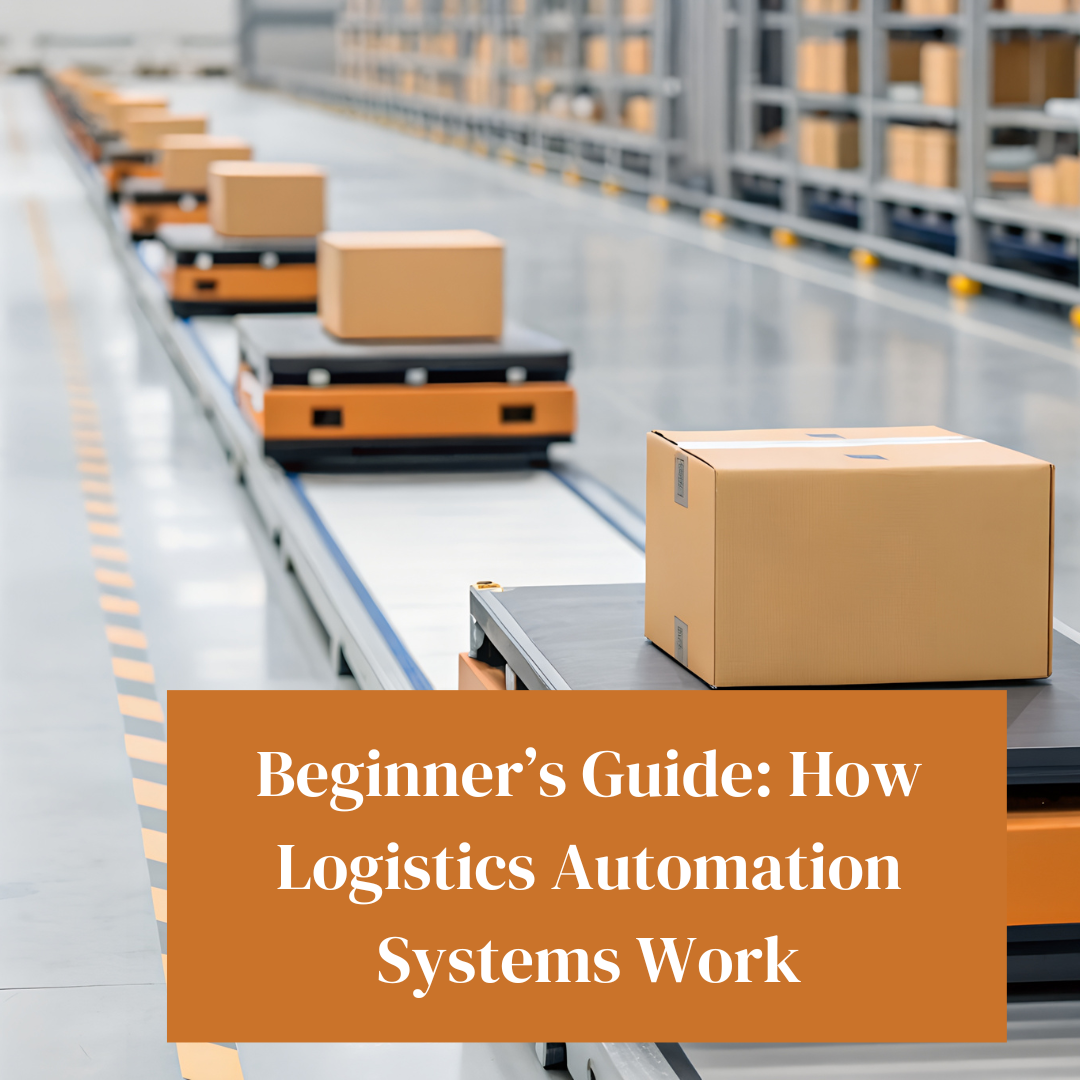
While robotic process automation saves time on tedious administrative tasks, autonomous mobile robots enhance material handling. In fulfillment centers, collaborative robots support human workers by combining speed with precision.
Although the upfront costs can be high, the long-term benefits, lower labor expenses, fewer errors, and faster operations make robotics a valuable investment in modern logistics.
4. Blockchain Technology: Trust and Transparency
Blockchain is adding a new layer of trust and accountability to trends in logistics technology. Recording every step of a product’s journey creates end-to-end traceability that helps businesses and customers know exactly where goods come from and how they move through the supply chain.
Smart contracts built on blockchain take this further by automating payments and compliance, reducing paperwork, and speeding up transactions.
Technology is also essential for preventing fraud because it makes it more difficult for fake records or goods to enter the system.
Although industry adoption is still in its infancy, successful applications in international shipping, pharmaceuticals, and food safety demonstrate its potential to become a key component of logistics in the future.
5. Advanced Analytics and Big Data
A key component of logistics technology trends, big data and advanced analytics are providing businesses with deeper insights into their operations.
Businesses can find inefficiencies and improve supply chain performance by monitoring key performance indicators.
Data-driven tools are also useful for customer behaviour analysis, which helps businesses better understand demand trends and provide better services.
Furthermore, by anticipating possible disruptions and offering solutions to lessen their effects, big data analytics enhances risk management.
The real power of analytics lies in enabling decision-makers to act quickly and accurately by combining data from multiple platforms into a single view.
6. Cloud Computing and Edge Technologies
Cloud computing and edge technologies are becoming essential parts of modern logistics technology solutions, offering businesses the flexibility to scale operations without heavy infrastructure costs.
As businesses expand, cloud platforms offer scalable resources that can be adjusted. Meanwhile, edge computing reduces delays and facilitates real-time decision-making by bringing data processing closer to the source.
In an effort to strike a balance between robust security and user-friendliness, many businesses are also implementing hybrid cloud solutions.
As companies abandon legacy systems, intelligent migration tactics guarantee a more seamless transition to cloud-based platforms that foster supply chain agility and innovation.
7. Sustainability and Green Logistics Technologies

As businesses are under more and more pressure to lessen their environmental impact, sustainability is now a major factor driving trends in logistics technology.
Energy-efficient warehouses, electric delivery trucks, and route optimization software are examples of green logistics solutions that are assisting companies in reducing expenses and emissions.
In supply chains, technology is also enhancing recycling and waste reduction procedures, resulting in more sustainable operations.
Businesses can meet regulatory requirements and improve their reputation with environmentally conscious customers by fusing innovation and environmental responsibility.
Frequently Asked Questions (FAQs)
What is the biggest barrier to logistics automation adoption?
The top obstacle is the lack of capital; many firms struggle with the upfront costs of automation and find it hard to justify the ROI. Equally important is the lack of IT expertise and trained staff to implement and manage new systems.
How can small logistics companies compete with automated giants?
While giants invest big, smaller firms can level the field by using modular, affordable tools and adopting tech gradually. Being agile and flexible can help them deploy simple automation fast, boosting efficiency without the big capital outlay.
What skills should logistics professionals develop for the future?
Key high-demand skills include digital literacy, especially around AI, IoT, blockchain, and automation systems. Also vital are data analysis and interpretation, sustainability awareness, and risk management; these help professionals turn logistics technology trends into real-world results.
How long does it typically take to see ROI from logistics technology investments?
For warehouse systems like WMS, ROI can arrive in just 3 to 6 months, with continued gains over a year.
Even large investments in automation usually pay for themselves in two years, especially if efficiency gains are apparent right away.
Conclusion
Logistics technology trends are reshaping the industry, from AI and IoT to robotics, blockchain, big data, cloud platforms, and green innovations.
These tools make supply chains smarter, faster, and more sustainable. Logistics professionals should explore how to integrate these technologies into their operations.
Early adopters will achieve efficiency and a competitive edge in a fast-changing market. Now is the time to embrace automation and digital transformation for a stronger, future-ready organization.