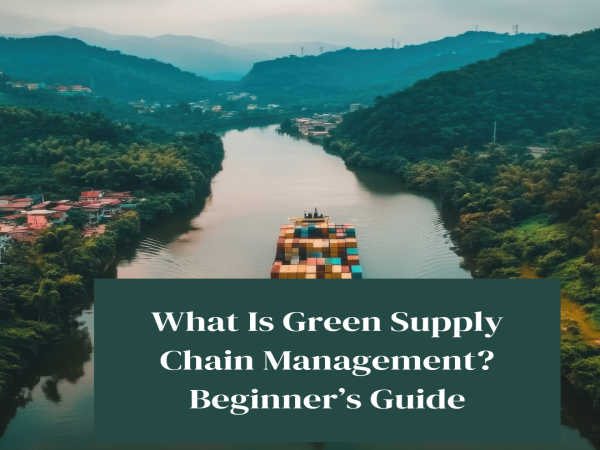
Today, businesses are under increasing pressure to maintain profitability and protect the environment.
Eco-friendly logistics addresses this challenge by employing strategies such as renewable energy, route optimization, and green warehousing to reduce environmental impact while ensuring efficient operations.
In this article, we’ll examine how eco-friendly logistics enables modern businesses to cut costs, enhance their reputation, and develop long-term resilience, contributing to a cleaner, more sustainable future.
Let’s get started with what eco-friendly logistics means!
What Is Eco-Friendly Logistics?
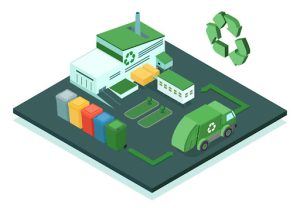
Eco-friendly logistics means using smart ways to move, store, and deliver goods so that we harm the planet less while still working well. It involves strategies designed to minimize environmental harm but keep things efficient.
Key elements include
- Using renewable energy or alternative fuels to power vehicles and warehouses.
- Route optimization to cut down on fuel use and reduce unnecessary driving.
- Green warehousing and energy-efficient storage: better lighting, insulation, and energy controls.
- Recycling and reducing waste—from packaging to returned goods.
Eco-friendly logistics benefits not just the planet but also businesses (by saving money), employees (healthier work environments), and entire communities (cleaner air, less pollution).
10 Benefits of Eco-Friendly Logistics for Modern Businesses

Below are the 10 benefits of eco-friendly logistics for today’s business.
1. Cost Savings Through Efficiency
One of the biggest advantages of eco-friendly logistics is that it saves money by making operations more efficient. Things like reduced fuel, lower transportation, and fewer maintenance costs add up quickly.
For instance, businesses can instantly plan the quickest, shortest routes by utilizing AI-based route optimization. This translates to reduced fuel consumption, mileage, and vehicle wear and tear. For instance, route optimization systems reduce fuel consumption by up to 10-15% while cutting transportation costs significantly.
2. Tackles Rising Energy Costs
Eco-friendly logistics helps companies face the challenge of energy price hikes. With fuel, diesel, and electricity costs climbing, businesses that rely on traditional transport and warehousing are under increasing pressure.
Eco-friendly logistics lowers energy costs and lessens reliance on unstable fossil fuel markets by converting to cleaner fuels, renewable energy sources, and energy-efficient systems. This improves operations’ sustainability and predictability for the company’s bottom line as well as the environment.
3. Builds Better Customer Relationships
With eco-friendly logistics, businesses can connect more closely with customers. When a company shows it cares about lowering emissions, using green packaging, or delivering goods more cleanly, customers notice, and they often stay loyal.
People increasingly expect brands to act responsibly. Businesses gain public trust and goodwill by promoting green initiatives, such as the use of renewable energy or the optimization of routes to minimize pollution. That strengthens brand reputation and helps secure repeat business.
4. Future-Proofs Your Business
Eco-friendly logistics is not just good for today; it also helps businesses prepare for tomorrow. As rules tighten and customers demand greener options, businesses with sustainable supply chains stay ahead.
Your company won’t fall behind by implementing green practices, such as reduced emissions, cleaner fuels, and more efficient operations. It makes you more resilient to market pressure, environmental regulations, and growing fuel prices.
Having eco-friendly logistics builds in long-term strength so your business can thrive even in changing times.
5. Reduces Greenhouse Gas Emissions
One big benefit of eco-friendly logistics is cutting greenhouse gas emissions (like CO₂). Businesses can reduce their carbon footprint by implementing eco-friendly logistics, which includes using cleaner fuels, electric or hybrid vehicles, and efficient modes of transportation.
Emissions can be significantly reduced, for instance, by converting a portion of your delivery fleet to electric cars or by employing multimodal transportation (such as combining rail and road).
6. Improves Employee Retention
One big plus of eco-friendly logistics is keeping good people. Employees are more likely to stay if their work aligns with values like sustainability and social responsibility. Studies show that when organizations commit to green practices, job satisfaction and loyalty go up.
Businesses that use eco-friendly logistics frequently produce healthier, cleaner workplaces (less noise, quieter operations), meaningful roles centered around sustainability, and an inclusive culture. These things all help reduce turnover and build long-term teams.
7. Strengthening Brand Image and Market Advantage
Eco-friendly logistics helps a company stand out. Businesses gain respect in the marketplace when they demonstrate their commitment to sustainability by reducing emissions, using eco-friendly packaging, or running on clean energy.
Investors, partners, and customers prefer to be associated with companies that behave responsibly. That improved brand image becomes a competitive edge.
8. Building a Better Tomorrow
At its core, eco-friendly logistics is about creating long-term positive change. Businesses contribute to the preservation of natural resources for future generations by cutting down on waste, emissions, and environmental damage today. It’s about responsibility, not just about making money.
Businesses help create a cleaner planet, healthier communities, and a sustainable future for everybody by using eco-friendly logistics.
9. Sustainable Logistics Places Innovation at the Front
With eco-friendly logistics, businesses are pushed to try new ideas and technologies. Things like AI, predictive analytics, electric or hybrid vehicles, and smart route planning become more common. Innovation improves efficiency, speeds up delivery, and often lowers costs.
Being first to adopt green technology gives a competitive edge and keeps a business ahead in changing times.
10. Benefits Surrounding Environments and Communities
Eco-friendly logistics has a ripple effect beyond business. When you reduce pollution and emissions, the air quality improves for nearby communities. Less noise, cleaner streets, and fewer harmful particles in the air.
This helps people live healthier lives. Also, when a company behaves responsibly, it encourages others—neighbors, suppliers, and even rivals—to follow suit.

Conclusion
Eco-friendly logistics provide genuine value in addition to green branding. Companies can improve their reputation, reduce operating expenses, and develop long-term resilience.
Sustainable logistics is more than just following the law; it’s a leadership position that demonstrates your company’s concern for the environment and financial success.
It’s your turn now: examine your logistics procedures, pick one green project to start, such as route optimization, clean energy, or more intelligent packaging, and get started right away. Small steps in eco-friendly logistics can lead to significant change.
Frequently Asked Questions (FAQs)
What is the difference between green logistics and eco-friendly logistics?
Both terms are often used interchangeably, but eco-friendly logistics emphasizes environmental responsibility, while green logistics may also focus on cost and efficiency.
Is eco-friendly logistics expensive to implement?
Not necessarily. While some green technologies may require upfront investment, the long-term cost savings in fuel, energy, and waste management outweigh initial expenses.
Can small businesses adopt eco-friendly logistics?
Yes. Even simple changes like optimizing delivery routes, reducing packaging waste, or using energy-efficient warehouses can make a big impact.
How does eco-friendly logistics impact customer satisfaction?
Customers increasingly prefer sustainable brands. Adopting environmentally friendly logistics gives companies a competitive edge, trust, and loyalty.
What industries benefit most from eco-friendly logistics?
All industries benefit, but transportation, e-commerce, retail, and manufacturing see the most significant impact due to their high reliance on logistics.