Behind every fast delivery and seamless shopping experience is a strong logistics system working quietly in the background.
Businesses are increasingly relying on third-party logistics (3PL) providers to streamline operations, reduce costs, and keep customers happy.
These providers go beyond shipping; they offer warehousing, inventory management, and scalable solutions that fuel business growth.
In this article, we’ll highlight the key areas to consider when evaluating 3PL providers, offering practical insights to help you select a partner that aligns with your business goals. Let’s get started with what third-party logistics (3PL) providers do.
What Third-Party Logistics (3PL) Providers Do
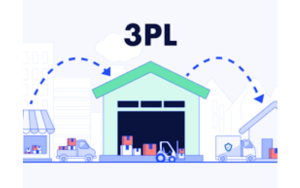
Third-party logistics (3PL) providers are partners that take over your supply chain tasks.
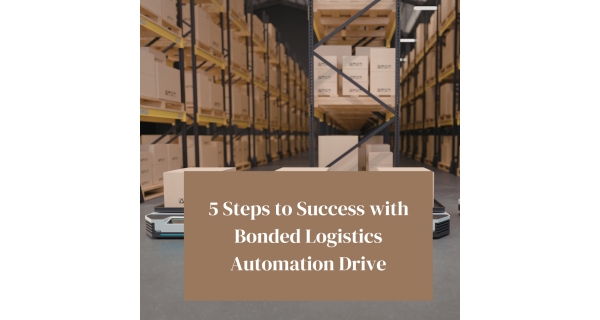
They store and manage inventory in well-organized warehouses, track stock levels in real time, and help you avoid overstock or running out.
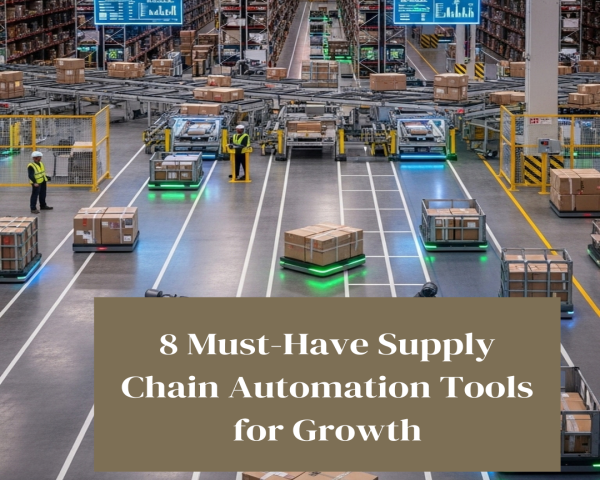
They also handle the entire order fulfillment process, receiving orders, picking the right items, packing them, and shipping them out promptly.
On the shipping side, they take care of transportation, carrier selection, and often international logistics, including customs.
Many also provide value-added services like custom packaging, labeling, bundling or “kitting” products together, managing returns, and ensuring everything meets compliance standards.
E-Commerce Fulfillment Efficiency
Quick order fulfillment is a significant advantage in online sales. Customers feel secure and return when orders are delivered on time and accurately. However, if items are incorrect or deliveries are slow, trust wanes, bad reviews increase, and your brand’s reputation may suffer.
What to Look For
- Systems that automate warehousing and order processing: These reduce errors and speed up handling.
- Real-time inventory management: Always knowing what stock you have avoids overselling and delays.
- Multiple or strategically placed distribution centers: Putting stock closer to customers cuts down last-mile delivery time.
Use Case Example
Imagine an online retailer expanding across the country. They partner with third-party logistics (3PL) providers who offer warehouse automation, real-time stock tracking, and a network of distribution centers.
Because of that, they can promise same-day or next-day shipping in many regions, which boosts customer satisfaction and helps them compete.
Scalability During Seasonal Peaks
Many businesses see big swings in demand around special sales or holiday seasons. Without the ability to scale, they risk running out of orders, getting delayed, or paying too much to cover short-term demand.
Profits and consumer trust may suffer as a result.
What to Search For
- Flexible storage solutions from third-party logistics (3PL) providers that grow when you need them and shrink back when things slow down.
- Availability of extra labor and transportation support when order volumes surge.
- 3PLs with a track record of successfully managing seasonal peaks in your industry are more likely to do it correctly.
For example, consider a clothing store getting ready for Black Friday. They partner with third-party logistics (3PL) providers who provide extra warehouse space, temporary workers, and expanded delivery options during the rush.
When the surge ends, the retailer scales back without carrying the cost of those extras.
Cost Optimization for Startups
Startups often work with tight budgets, and every cost counts. Logistics overheads, like warehousing rent, staffing, equipment, and shipping, can quickly shrink margins. If these aren’t managed well, growth can be stunted before it even begins.
What to Look For
- Transparent pricing from third-party logistics (3PL) providers, without hidden fees, so you know exactly what you’ll pay.
- Ability to only pay for what you use—storage, labor, and transportation, so you avoid large fixed costs.
- Carrier and bulk discounts secured through the 3PL’s network to lower shipping and materials costs.
Example of Use Case: A small skincare company contracts out its fulfillment to a 3PL. It benefits from the 3PL’s negotiated carrier rates and packaging suppliers, reduces the need to hire employees, and saves money on warehouse leases.
The money saved is then used for product development and marketing.
4. Global Expansion Support
Expanding into international markets introduces complex challenges like customs, tariffs, and compliance.
A 3PL with global reach ensures smooth entry into new markets.
What to Look For:
- Strong customs brokerage and documentation expertise.
- Established international shipping networks and partnerships.
- Compliance with trade regulations and local laws.
A mid-sized electronics brand expands to Europe and relies on a 3PL with established EU distribution centers and customs clearance expertise to reduce border delays.
Conclusion
Evaluating third-party logistics (3PL) providers means looking not just at what they do well, but how well that aligns with what you want to achieve.
The qualities that most often matter are speed and accuracy in order fulfillment, the flexibility to scale when demand rises, finding cost savings that don’t compromise on reliability, and ensuring support for growth beyond your current market.
Your 3PL partner becomes a growth engine rather than just another vendor when they share your priorities, whether they be quicker delivery, more efficient operations, or worldwide reach.
At the same time, it’s becoming clear how critical visibility and specialization have become: real-time tracking, smart automation tools, and expertise for specific goods (like perishables or regulated items) are no longer “nice extras” but key parts of staying competitive.
A 3PL that invests in these emerging areas earns more than your business—it earns your confidence.
Frequently Asked Questions (FAQs)
What does “asset-based” vs. “non-asset-based” 3PL mean?
An asset-based 3PL owns physical assets like warehouses, trucks, or terminals. A non-asset-based 3PL focuses more on coordinating and managing logistics via partner carriers and facilities, rather than owning everything itself. Some 3PLs use a hybrid model.
Are 3PL services only useful for large companies?
No. Businesses of all sizes can benefit from 3PL providers. Even small or startup companies gain cost savings, access to expertise, better service quality, and flexibility without needing to build a large logistics infrastructure themselves.
What should I check in their contract or pricing?
It’s important to understand how pricing is structured (fixed vs variable costs), any hidden fees (e.g., handling, storage, and accessorial charges), and what penalties or minimums exist. Ask about performance guarantees, liability limits, and terms for scaling up or down.
Can a 3PL integrate with my systems (ERP, WMS, etc.)?
Yes. Many 3PL providers offer system integration. They can connect to your ERP or sales software to share real-time inventory data, order statuses, and shipping info, giving you visibility and better control.
What happens if there are issues like late deliveries, damages, or returns?
A good 3PL should have robust policies around liability, claims, returns processing (reverse logistics), and customer support. Make sure their contract spells out how they handle such issues and how quickly they resolve them.